Understanding Stake: The Concept, Importance, and Applications
Introduction to Stake
The term ‘stake’ carries significant weight across various domains, from finance to gaming and even in personal relationships. At its core, a stake represents a share, interest, or investment in something—whether it be a financial stake in a company, a stake in a game, or a personal stake in a relationship. Understanding the multifaceted nature of stakes is essential for anyone looking to navigate the complexities of modern life, whether in business, social interactions, or decision-making processes.
The Financial Stake: Investing for Growth
In finance, the concept of a stake is typically associated with equity investments. When an individual or an entity purchases shares in a company, they acquire a stake in that company. This stake can vary in size, from a minor holding to a majority stake, directly influencing the investor’s level of control and potential returns.
Types of Financial Stakes
There are several types of financial stakes that investors should be aware of:
- Equity Stake: This type of stake represents ownership in a company. For instance, if you own 1,000 shares of a company with 10,000 total shares, you have a 10% equity stake. Equity stakes can be further classified into common and preferred shares, each offering different rights and privileges.
- Debt Stake: In contrast, a debt stake does not confer ownership but rather represents an obligation owed to the investor. When a company issues bonds, it is essentially allowing investors to hold a debt stake, promising to pay back the principal along with interest.
- Control Stake: A control stake occurs when an investor holds enough shares to influence company decisions. This is often seen in acquisitions where controlling interest is necessary for strategic changes.
Case Study: The Rise of Stakeholders in Corporations
Take the case of Company XYZ, which initially started with a handful of investors. As the company grew, it attracted more stakeholders through various funding rounds. By the time of its IPO, the stakes had diversified, with institutional investors holding significant equity stakes. This diversification not only brought in capital but also led to a more robust governance structure, ultimately contributing to the company’s success.
The Stake in Personal Relationships
While the financial implications of stakes are significant, the concept also extends to personal relationships. Having a stake in a relationship means that you have an emotional or social investment in that relationship’s outcome. This can range from familial ties to friendships and romantic partnerships.
Understanding emotional stakes
In personal relationships, emotional stakes can complicate dynamics. When individuals invest their time, energy, and emotions into a relationship, they create what is known as emotional stakes. For example, consider a friendship where one person consistently supports the other through tough times. The supportive friend develops a stake in the friend’s well-being, making them more emotionally invested in the relationship.
Case Study: The Impact of Emotional Stakes on Decision Making
Imagine a scenario where two friends, Alex and Jamie, are considering moving to different cities for job opportunities. Alex has a strong emotional stake in their friendship and fears losing that connection. This emotional investment leads Alex to evaluate the situation differently than Jamie, who may view the move purely as a career opportunity. This example illustrates how emotional stakes can shape decisions and outcomes in personal relationships.
The Stake in Gaming: Risk and Reward
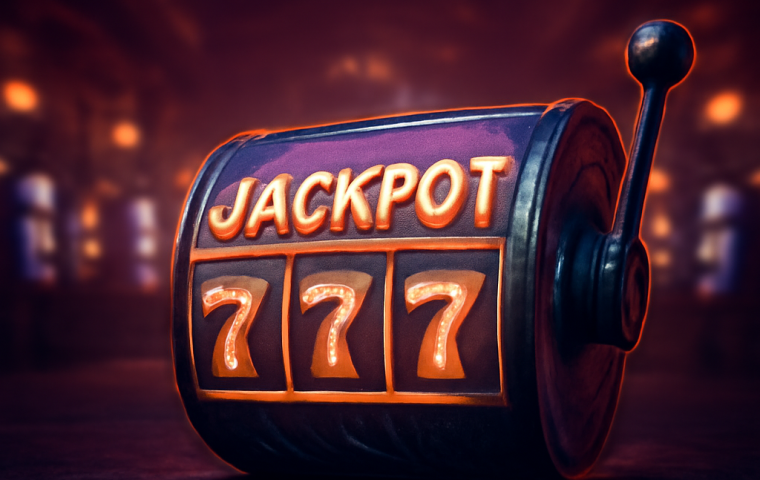
In the gaming world, the concept of stakes takes on a different meaning—often linked to risk and reward. Players engage with stakes through bets, points, or in-game currencies that determine their level of involvement and potential rewards in a game.
Types of Stakes in Gaming
In gaming, stakes can be categorized as follows:
- Monetary Stakes: In gambling, players often wager real money on outcomes. The stakes here are high, as players can win or lose significant amounts based on chance and skill.
- Point Stakes: In competitive gaming, players accumulate points based on their performance. The higher the stakes, the more competitive the environment becomes, leading to intense rivalries and strategic gameplay.
- In-Game Currency Stakes: Many online games feature in-game currencies that players can use to purchase items or upgrades, essentially creating a stake in their gaming experience.
Example: The rise of eSports
Consider the eSports industry, which has exploded in popularity over the last decade. Players and teams often compete for substantial cash prizes, with stakes that can reach millions of dollars. For instance, in the Dota 2 International championship, the prize pool can exceed $40 million, showcasing the significant financial stakes involved. This has not only transformed gaming into a professional sport but also created a new economy surrounding it.
The Social Stake: Community and Collective Responsibility
Beyond personal and financial implications, stakes also extend to social contexts. A social stake involves a collective responsibility towards a community or cause. When individuals feel a stake in their community, they are more likely to engage in activities that foster growth and development.
Community Engagement and Social Stakes
Social stakes often drive community engagement initiatives. When individuals participate in local governance or volunteer for community projects, they invest emotionally and socially in the outcomes. This investment leads to a stronger sense of belonging and responsibility.
Example: The Impact of Community Gardens
Community gardens serve as an excellent example of social stakes in action. Residents who participate in a community garden not only benefit from the produce but also develop a stake in their neighborhood’s health and aesthetics. This collective investment fosters stronger ties among residents and enhances community resilience.
Conclusion: The Multifaceted Nature of Stake
In conclusion, the concept of stake permeates various aspects of life, from financial investments to personal relationships and community engagement. Understanding the nuances of what it means to have a stake in something is crucial for making informed decisions and fostering healthy interactions. Whether you are an investor, a friend, or a community member, recognizing your stakes can lead to more meaningful connections and impactful choices. As we navigate the complexities of modern society, let us be mindful of the stakes we hold and the responsibilities that come with them.